Discover the Wonders of the Universe with Karoo Stargazing
It has been said that the only thing we truly know about the universe is that we are on the inside — no one knows if there is an outside. Modern astronomy suggests that our cosmos is approximately 13.8 billion years old, while Earth formed about 4.6 billion years ago, continually evolving ever since. What we observe in the night sky today has taken millions of years to reach us and is still changing every moment.
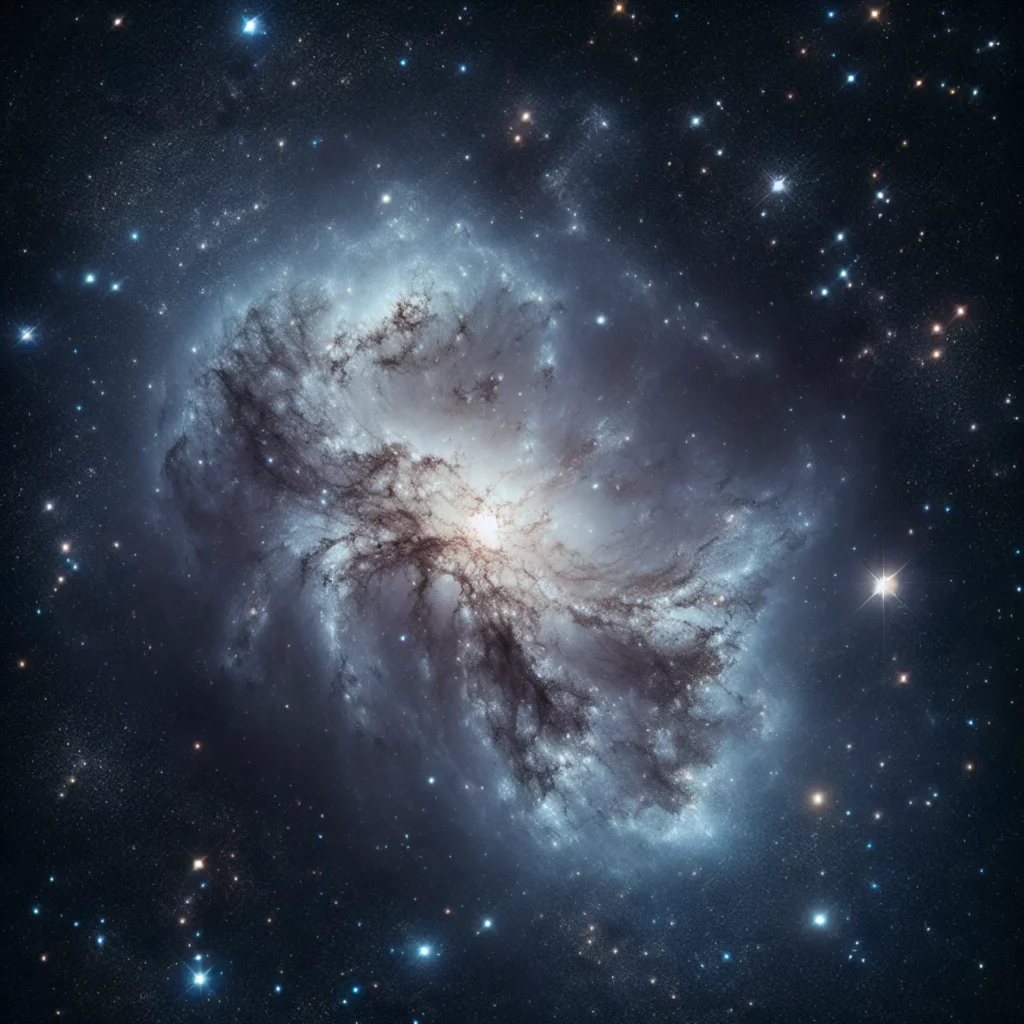
Our home galaxy, the Milky Way, is just one of billions of galaxies in the observable universe. It forms part of a small group of about 30 galaxies known as the Local Group. Two of its closest companions — visible to the naked eye from the Southern Hemisphere — are the Large and Small Magellanic Clouds, located about 160,000 and 200,000 light-years away respectively. Together, they contain billions of stars and offer an awe-inspiring view for skywatchers in the Southern Hemisphere. Under exceptional viewing conditions, observers can even glimpse the majestic Andromeda Galaxy (M31), roughly 2.5 million light-years away, making it the most distant object visible to the unaided human eye.
Karoo Stargazing, an initiative of True South Travel, invites you to experience these celestial wonders beneath the crystal-clear skies of the Klein Karoo. As one of the most memorable activities in Oudtshoorn, our guided sessions reveal the mysteries of the Southern night sky — from dazzling constellations and star clusters to far-off galaxies — making Karoo Stargazing a must-do experience for anyone visiting the region.

Our Galaxy and Solar System
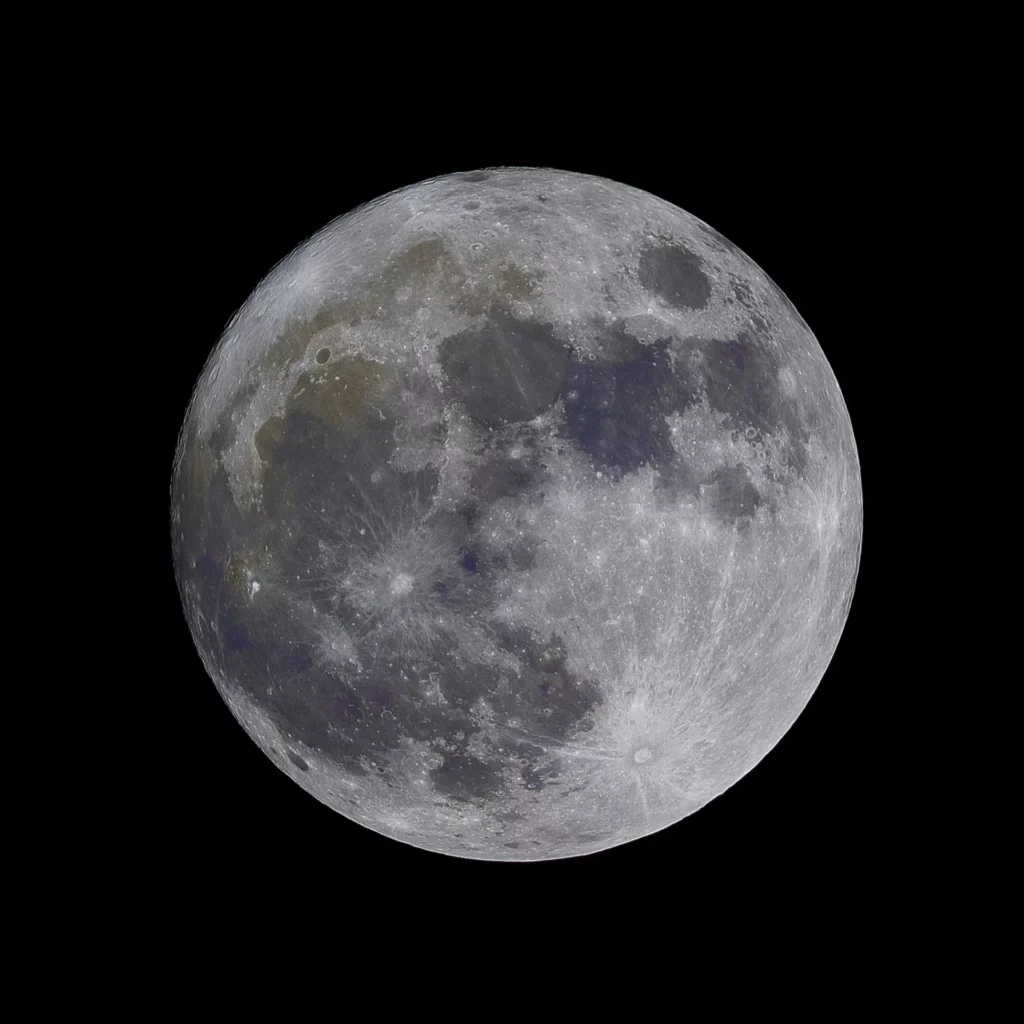
The sun and its planets, also referred to as our solar system, lies near the edge the Milky Way. Our solar system consists of the sun and its eight classic planets that orbit the sun, with Mercury being the closest at 58 million km’s and Pluto the furthest at 5 900 million km’s from the sun. Planet earth – 150 million km’s from the sun – and its moon falls within the eight planets. The Milky Way that we are part of, can be clearly seen from the Little Karoo on a clear evening. Our galaxy is “flat” and has the shape of a disc with a hub in the middle from where spiral fingers stretches out to the edges. This is known as a spiral galaxy. To cross our galaxy from side to side will take you 100 000 light years and at its hub, to travel from top to bottom a mere 20 000 light years. The Sun and us are a mere 33 000 light years from the hub. Our galaxy rotates around its hub once every 225 million years at a speed of 300km/second, this is known as a cosmic year, Earth rotates around the sun once every 365.25 days at a speed of 30 km/second. Earth “spins” at a speed of 1500 km/h around its own axis.
Einstein & light years
Einstein determined that nothing can travel at any speed greater than the speed of light. Light travels at 299 792 km/second. The distance that a light ray will travel through an air cavity in a year is known as a light year. In a year light will travel 9 460 563 614 000km. while it takes a sunray only 8 minutes to reach earth and moonlight only 1 second. To put this into context we can imagine a trip to Alpha Centauri, our 2nd closest star neighbour at 4.23 light years away. If we could travel at the speed of light, a trip to this star will take us approximately 10 years there and back. But reality is that we cannot travel at such speeds, so therefore it will currently take us 23 000 years to reach Alpha Centauri….46 000 years return trip !
CONSTELLATIONS
Southern Cross
The Southern Cross is always visible at night in Southern Africa. It is the most prominent of the constellations to be seen. It always point to the south celestial pole and is used to determine south. Four stars are named after the Greek alphabet.
ORION
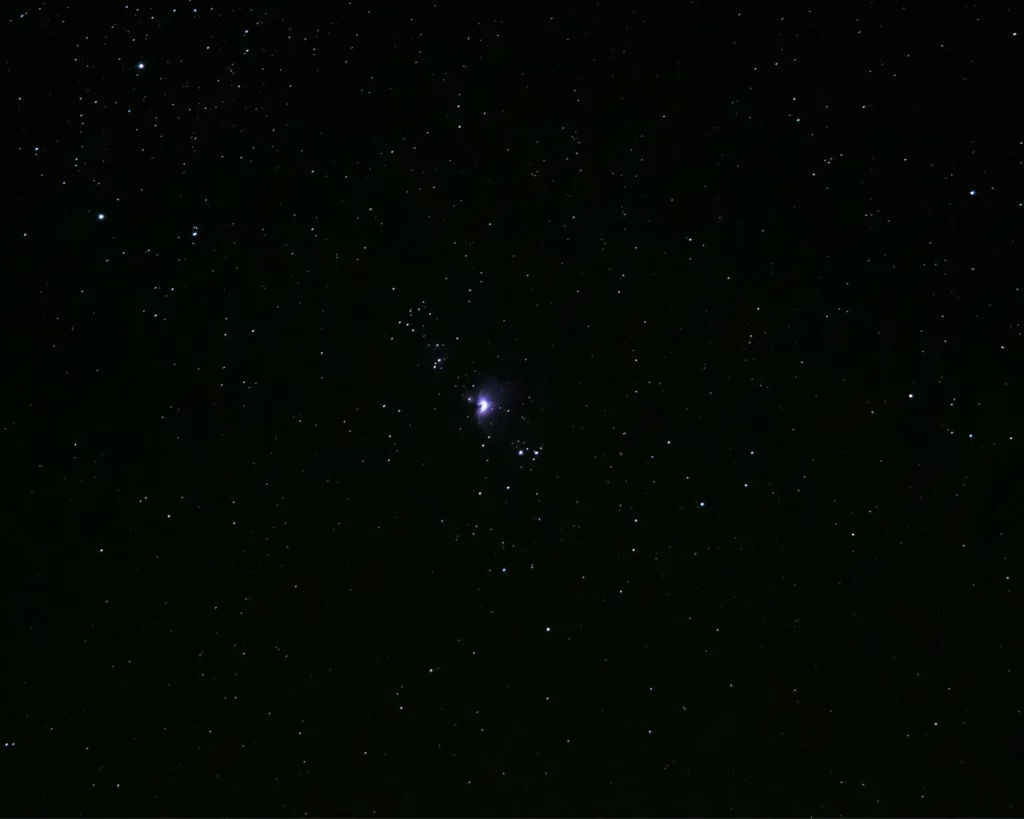
This constellation is also known as the “Hunter” and the “red giant” Betelgeuse is part of this constellation. It is one of the most prominent constellations and also visible in the Northern Hemisphere
STARS
Sun
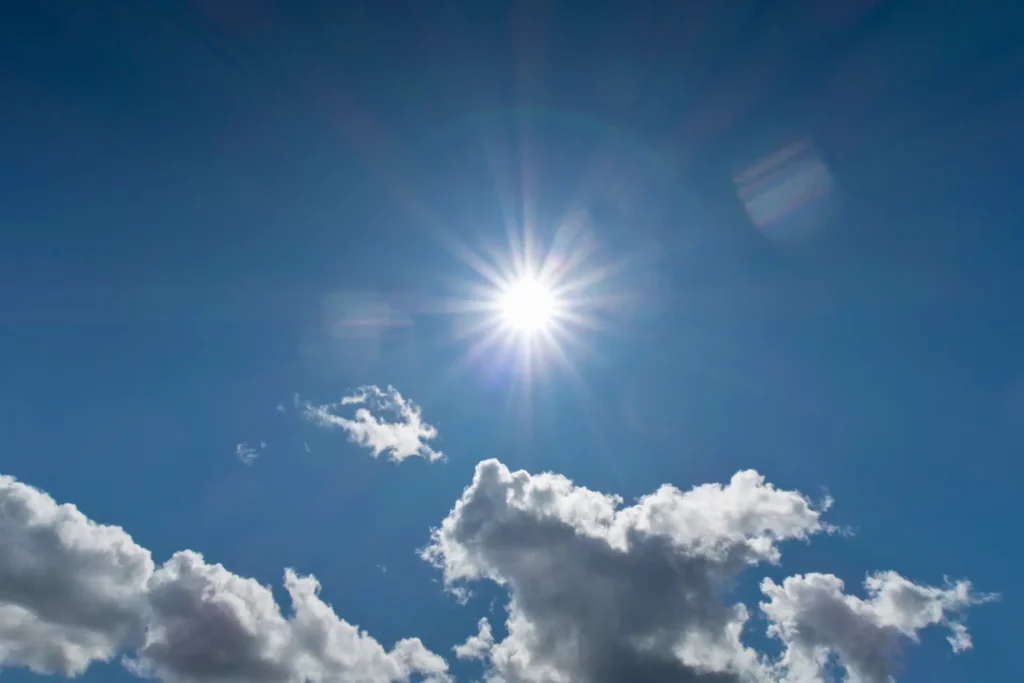
The Sun is by far the most important star, as well as our closest star neighbour. Without it life as we know it will not be possible. It outshines the brightest star we see at night by 10 000 million times because of it closeness. It has a diameter 100 x greater that that of the earth and it’s 300 000 x greater in mass. Its surface temperature is 6000ºC and at its core the temperature is estimated to be some 15 million degrees Celsius.
is used to determine south. Four stars are named after the Greek alphabet.
Alpha Centauri
This star is our closest neighbouring solar system and is 4.23 light years away. It’s a binary star with a third star – Alpha Proxima – two light months away and it takes them 80 years to orbit each other. Used as the “pointer stars” when determining south using the Southern Cross. 3rd brightest star visible.
Sirius
It is second to the Sun the brightest star that we can see and is 8.5 light years away.
Planets
Earth
The earth is the only known planet to sustain life, in order for it to do so, it has enough liquid water and is not too far or to close to the Sun that is as important for life as we know it.
Venus
Venus is the brightest of all the planets with an extremely dense atmosphere. It has a surface temperature of 500°C due to its close proximity to the Sun. Is visible as both the “morning and evening star”
Jupiter
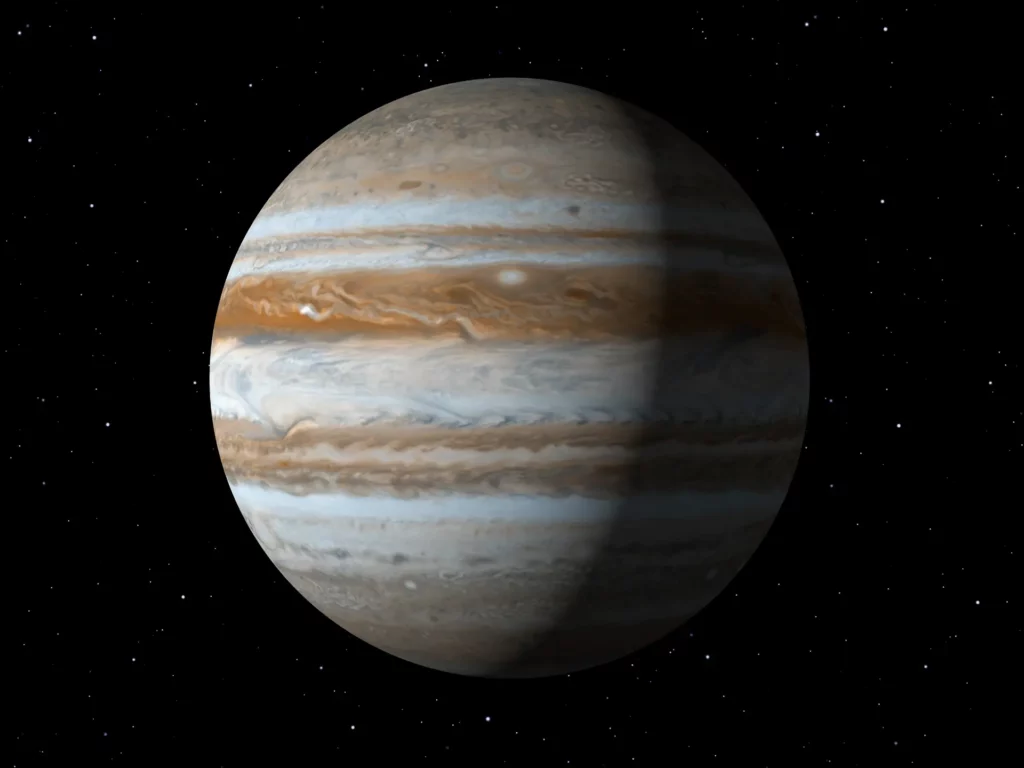
It is described by some as “a star that didn’t make it”. It generated a great deal of heat inside and radiates much more heat than it receives. Its diameter is 11 x that of the earth and it is 300 x more massive.
Saturn
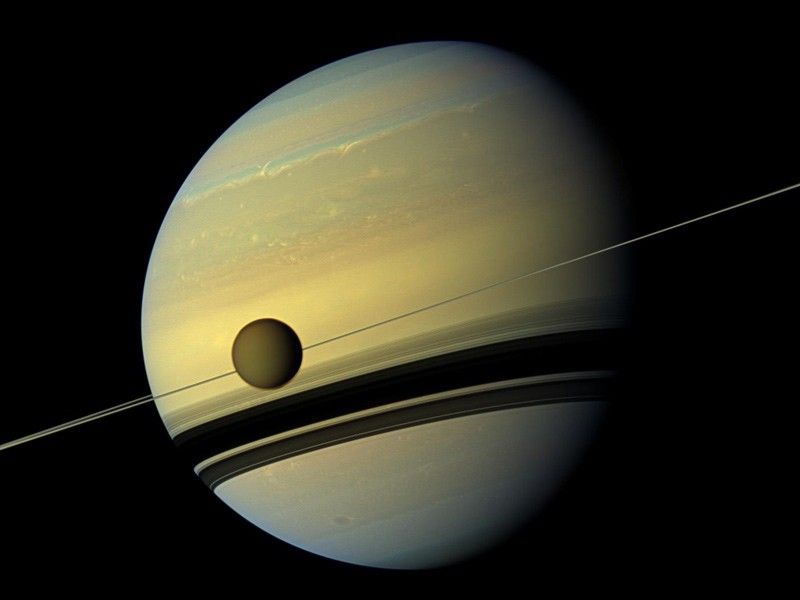
Saturn is a massive gas giant known for its stunning ring system and rapid rotation.
Saturn is the sixth planet from the Sun and the second-largest in the Solar System, composed mainly of hydrogen and helium. It lacks a solid surface and features a complex atmosphere with fast winds and a persistent hexagonal storm at its north pole. Its iconic rings—made of ice, rock, and dust—are the most extensive and beautiful in the Solar System, consisting of thousands of ringlets. Saturn has at least 145 confirmed moons, including Titan, which is larger than Mercury and has a thick atmosphere. A day on Saturn lasts about 10.7 Earth hours, while a year stretches to 29.5 Earth years. Despite its size, Saturn is so low in density that it would float in water if a large enough ocean existed.
Mercury
This planet is the smallest of the 8 main planets in our solar system. A day and a night on this planet will last for 6 of our calendar months
Mars
This planet is on average as bright as Jupiter and also known as the “Red Planet”. It has two moons that are not visible because of their size. Its surface gravity is extremely low and it has a conical volcano – Montes Olympus – that is 3 x the height of Everest with a 500km base across.
Globular clusters
Omega Centauri
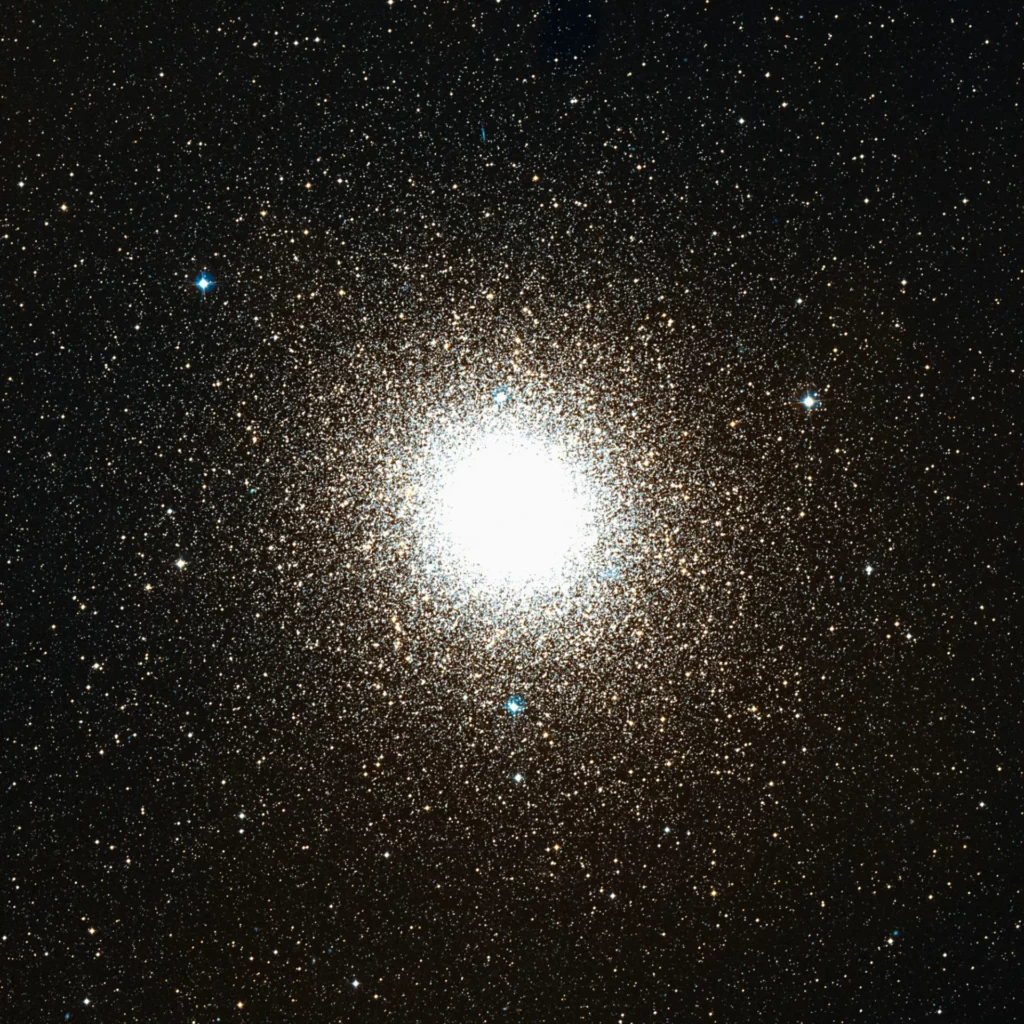
It is also referred to as the “King of Globular Clusters” and looks like a star. It is 18 000 light years away, forms part of the Centaurus star group and contains approximately 1 million stars.
Galaxies
Milky Way
Our galaxy looks like a flattened disc and is known as a spiral galaxy. It’s a 100 000 light years wide and 20 000 light years from top to bottom at the hub and it contains billions and billions of stars.
Large Magellanic Cloud
This “cloud” is 170 000 light years away and 22 000 light years wide and contains 10 000 million stars.
Small Magellanic Cloud
This “cloud” is 205 000 light years away and 10 000 light years wide and contains 2 000 million stars.